What we've been working on lately.

Tianlu Xue: Before a Second Enlightenment

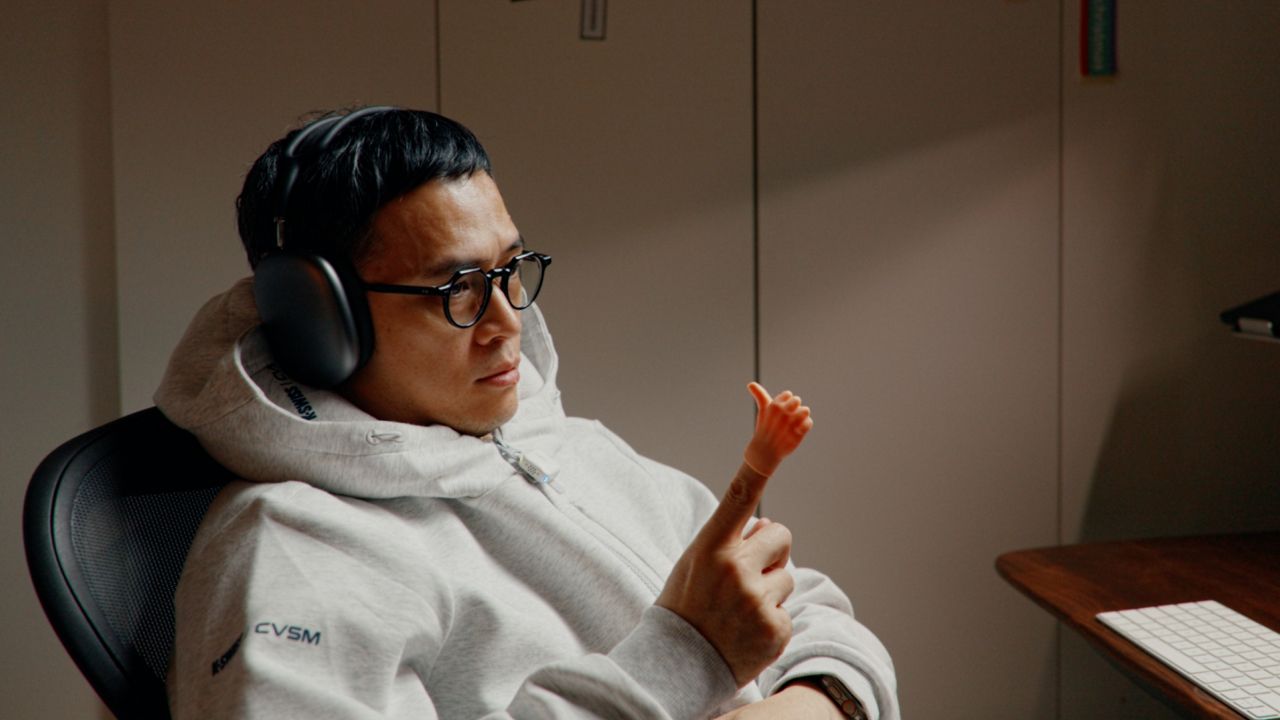
For the first properly recorded episode of Dine Podcast, I sat down with Tianlu Xue, co-founder and CEO of Second Enlightenment. Fifteen years ago Tianlu was the first intern I ever hired, at Zhihu. He later spent four years running product at early Xiaohongshu, then five at ByteDance. He left ByteDance last year to start his own company. His newest product, Clawly, is a cloud-based OpenClaw client built for users who have never set up a local environment. For most of our hour together, though, we were not actually talking about the product. We were talking about a question Tianlu has been turning over for months: how far ahead the frontier of AI has moved, and how little of that the ordinary user has noticed.
Continue reading

Introducing #sudo R1

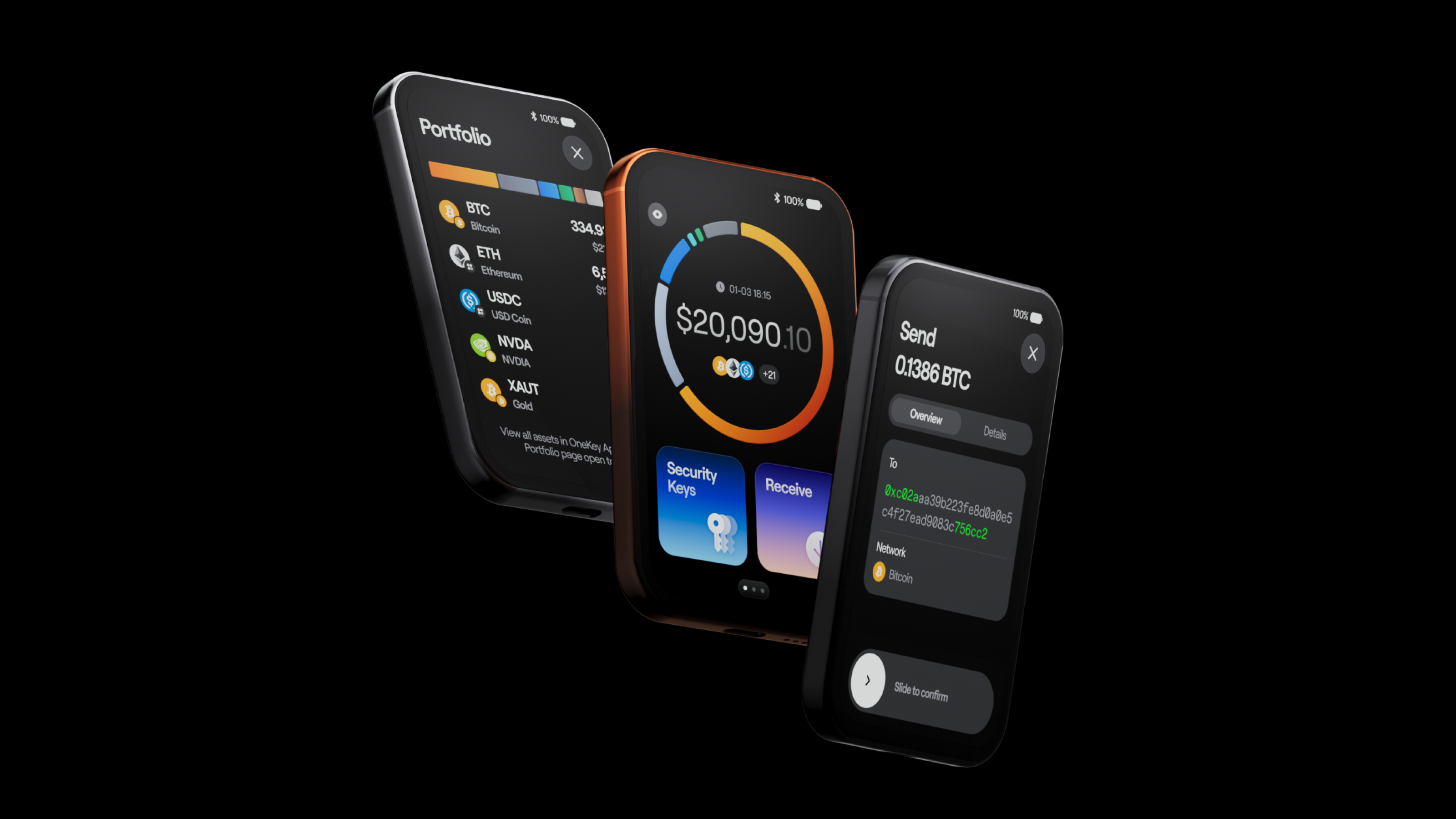
Today marks the launch of #sudo R1, and we are proud to have served as the design partner behind it. R1 is a fully integrated robot system built around picking, the gateway primitive of physical manipulation, with reported first-attempt success rates near 98 percent across a wide range of real-world objects. What makes the system notable is how it learns. R1 is trained on simulation data alone, without real-world demonstrations or manual labeling, and its capabilities scale through data generation rather than the labor of human collection.

This approach matters because embodied AI has largely learned to think, and is only beginning to act with any degree of reliability. Picking is foundational work, and the same simulation-first paradigm that produces it opens a path toward the broader set of manipulation skills needed across manufacturing, logistics, agriculture, and eldercare.

Our collaboration with #sudo is only just getting underway. More work from this partnership will follow in the months ahead, and we look forward to sharing it as each piece comes into view.

Visit sudo.ai

Inside cbvivi's mynd: Notes as a Conversation With Yourself

Two weeks after mynd shipped, I sat down with cbvivi (Wang Xiaoguang) to record an episode about his new app, mynd. In his own words, it is "a chat-style front end for writing Markdown files." cbvivi was one of China's earliest vloggers, and a veteran podcast host. Further back, he was an editor at a magazine, and ran a long-running iPhone homescreen observation column on his personal blog. mynd is not the product of a developer who decided to make an app. It is what happens when someone who has spent most of his life watching how other people use software finally decides to build one himself.
Continue reading

Run Receipt: A Designer Who Ran a Marathon, Then Shipped an App in a Month

Huang Ji is a product and visual designer who picked up running a few years ago and never stopped, all the way to a 3:24 full marathon. Along the way, he started imagining what a running app could feel like if it were designed purely around delight. He'd never written a line of code, but using AI tools and his design instincts, he shipped Run Receipt, an app that turns your workout stats into a beautifully typeset thermal receipt. We sat down with him to talk about running, building, and the joy of making something small and personal.
Continue reading

Introducing Mage - AI image generation built for teams

AI image generation has gotten very good. But the tools around it haven’t kept up. Everyone on your team has their own account, their own API key, their own scattered folder of outputs. When someone finds a great prompt, they paste it into Slack. When finance asks about usage, everyone shrugs.

Mage is a shared workspace for AI image generation. One API key, one bill, everyone in sync. When someone on your team generates an image, it appears in a shared library. When they find a prompt that works, they save it as a template. When finance asks about usage, you have the numbers, tracked per person and visible to anyone who needs it. The interface is minimal and technical. No candy colors, no visual noise, just a focused space where images come first.

We also built Agent Mode for when you don’t want to wrestle with prompts. It combines LLMs with image generation models so you can create through natural conversation. Describe what you want, iterate with feedback, and let the agent handle the prompting. It’s slower and more expensive than direct generation, but the results are worth it.

You can use any model available on fal.ai. In Agent mode, we’ve selected the best models for conversational creation. Bring your own API key. Your images, your usage, your data.

Try Mage for free.

Meet Ben: One Designer's Quest to Bring Back Digital Tactility

Youcai is a designer at our studio who's always been drawn to the emotional side of product design. You might know his previous work on these projects. Recently, he's been exploring interaction design through a personal side project called Ben, a journaling app built entirely around "feel" rather than features. We sat down with him to understand what happens when you throw out the growth playbook and design purely for delight.
Continue reading

Introducing Fiche - Chat With Your Notes

There's a particular kind of guilt that comes from having too many notes. You keep telling yourself you'll organize them someday, that there's value buried in there, that past you was doing future you a favor. But the folders grow and the tags multiply and eventually you stop looking. The archive becomes a kind of graveyard.

Continue reading

A Fresh Start

We’re excited to unveil the new website, a complete reimagining of how we present our work, our team, and our services to the world.

Our previous website served us well, but as we evolved, our needs changed. We wanted a site that better reflects who we are today: a small, focused team that values craft, clarity, and thoughtful interactions.

The new site introduces a cohesive visual system built around subtle interactions. We also rethought how you explore our portfolio. The work section now offers powerful filtering by year, sector, or service, along with instant search across all projects.

Performance was a priority throughout. Built with Astro, the result is a site that feels instant, even on slower connections. And yes, dark mode is fully supported.

A website is never truly finished. We’ll keep refining interactions, adding case studies, and sharing what we learn along the way. Here’s to the next chapter.

Connect the dots with Pastok

Pastok is an iOS and Apple Watch app that captures and organizes important moments from your conversations and daily life. Using AI, it automatically pulls out action items, decisions, and key details from meetings—so you can focus on what matters instead of taking notes.

We’re excited to work on this project because integrating AI into daily life on a portable device that’s always with us is truly meaningful. The moments when it sparks something in conversation or reminds us of something important we might have forgotten are genuinely amazing.

Pastok.com / App Store